
Finding Balance and Strength Through Life’s Biggest Changes

Please enjoy this guest post on finding balance and strength featuring author: Julie Morris
Women moving through big life transitions, new cities, new roles, breakups, career pivots, motherhood, and loss often get hit with emotional whiplash that doesn’t match the calm face shown on the outside.
One day feels clear and capable, and the next feels shaky, scattered, and strangely exhausting, even when the change was chosen. Uncertainty can quietly tug at wellness too, showing up as disrupted sleep, skipped routines, stress-snacking, or a closet that suddenly doesn’t feel like “me.”
What helps most is naming what’s happening and trading survival mode for steady, self-trusting steps.
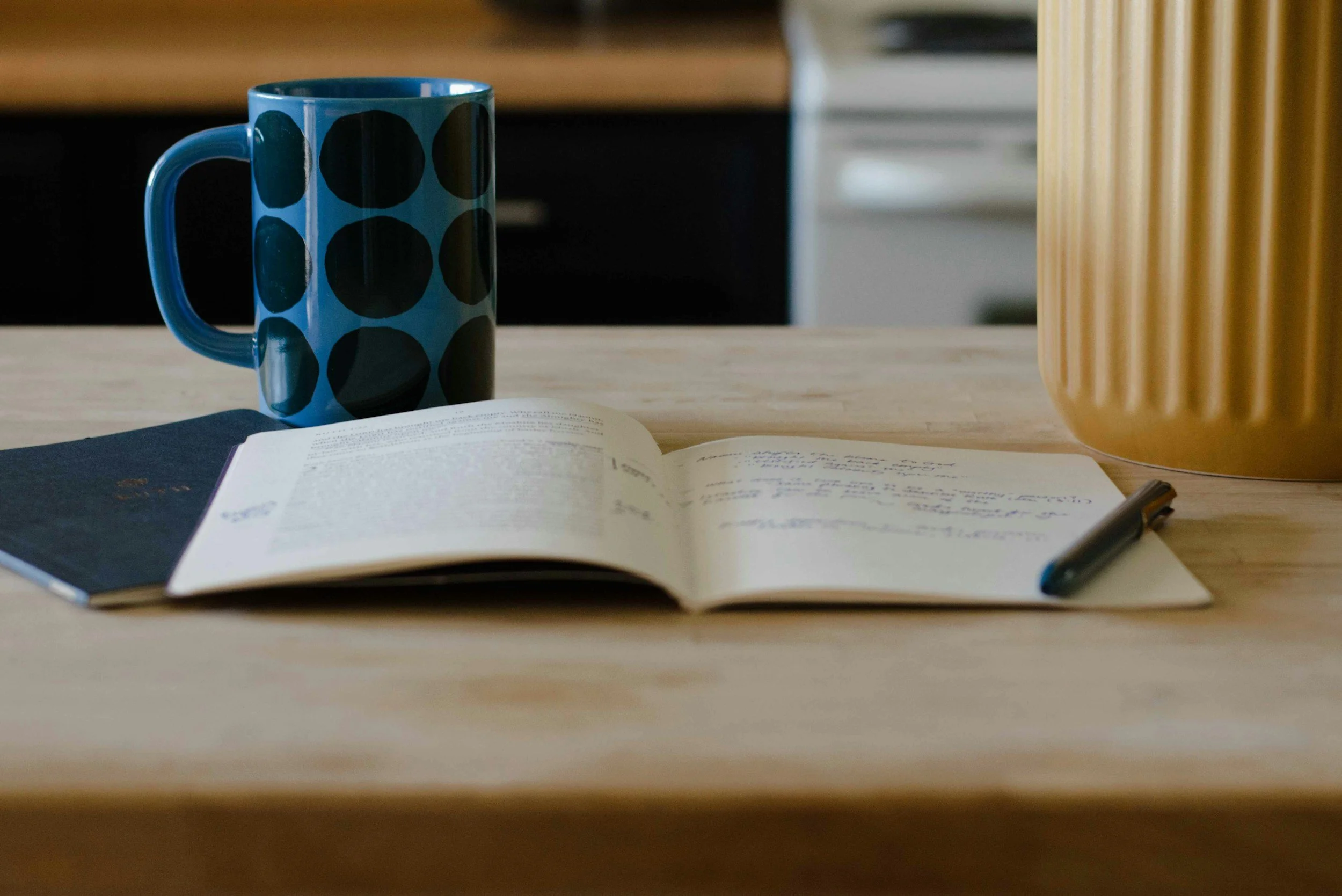
Quick Summary: Balance Through Big Changes
Focus on small mindset shifts that help you accept change and stay grounded.
Lean on supportive people and ask for help when the transition feels heavy.
Create a simple plan so daily choices feel steadier and more manageable.
Prioritize practical self-care to protect your energy and rebuild resilience.

Understanding the Psychology of Change
Change has a predictable psychology: your body flags stress, your feelings catch up, your habits wobble, and your thinking has to stretch. When you understand those patterns, your reaction stops feeling like a personal failure and starts looking like a normal adjustment process. That makes it easier to choose one practical next step instead of freezing.
This matters because transitions can spill into everything you touch, including how you care for yourself. With approximately 5.44 billion internet users worldwide, it is easy to scroll for “answers” and end up more anxious. Knowing your change response helps you pick support that steadies you.
Think of it like rebuilding your everyday routine after a big shift. Your skincare, meals, and outfits might feel “off” until you tweak what fits your new reality. With your change response normalized, playbooks and timelines feel doable and calming.

Match the Transition to a Plan: Moving, Work Shifts, Health, Parenthood
Big changes can trigger a totally normal stress response; your brain wants certainty fast. The quickest way to calm that alarm system is to trade “everything at once” for a simple plan you can actually follow.
Build a 3-Lane Timeline (Now / Soon / Later): On one page, make three columns: Now (next 72 hours), Soon (next 2 weeks), and Later (30–90 days). Put only 3–5 tasks in “Now” so your nervous system doesn’t read the list as a threat. This works for any transition because it reduces decision fatigue and gives your brain a clear “safe next step.”
Relocating: Use the “First Week Box” + a Utilities Micro-Checklist: Pack one clearly labeled box or suitcase with what makes you feel like you: skincare, meds, chargers, a cozy set, a towel, basic cleaning wipes, and one outfit you love. Keep a tiny checklist on your phone for address changes and utilities: mail forwarding, internet, power, water, and one local pharmacy. You’ll feel grounded faster when your essentials and self-care aren’t buried in random boxes.
Career Shifts: Prototype Before You Leap: Instead of deciding your whole future, run a two-week “mini experiment.” Update one thing (resume or LinkedIn), have two conversations with people in roles you’re curious about, and practice the skill you’d need for 30 minutes three times a week. Treat your anxiety as information, not a stop sign, then use the data from your prototype to choose your next move.
Starting a Business: Follow a Paperwork Path (Not a Pile): Make a “business admin” folder (digital + one physical) and move step-by-step: choose your business name, pick a structure, get your tax ID if needed, open a separate bank account, then track licenses, permits, and basic insurance. Give yourself a weekly 45-minute “CEO desk date” to handle one admin task and stop. For ongoing rule changes, some owners use regulatory intelligence platforms to keep updates from becoming a constant mental load, and ZenBusiness can be part of a step-by-step setup.
Illness or Recovery: Create a “Low-Energy Operating System”: On a good day, write a short list called Must / Nice / Not Now. “Must” might be meds, a protein option, and one hygiene step; “Nice” could be a walk or a face mask; “Not Now” is everything optional. Set up support scripts you can copy-paste: “I can do a 10-minute call this week, Tuesday or Thursday?” so asking for help doesn’t take extra energy.
New Parenthood: Use Shifts, Stations, and Tiny Wins: Choose two daily “shift anchors” (morning and evening) and decide who does what during each. Set up 2–3 home “stations”, diaper station, feeding station, and a parent reset spot with water, lip balm, hair tie, and snacks. Keep morale steady by choosing to celebrate small victories like a successful nap transfer or a shower, you’re building confidence one repeatable win at a time.
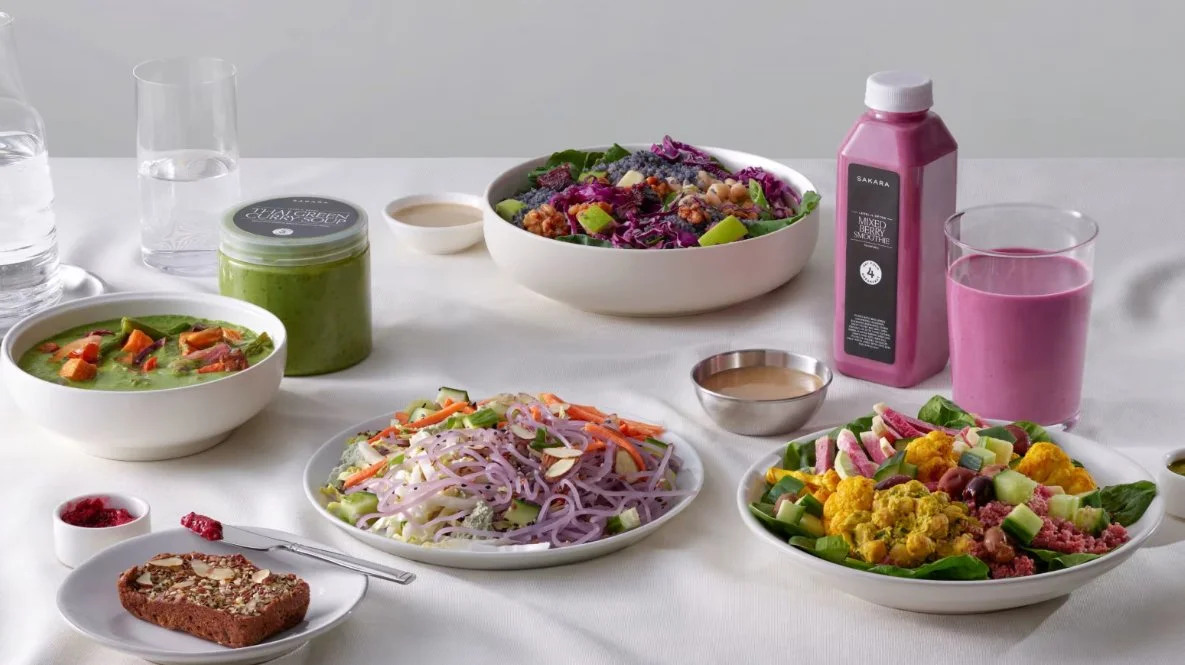
Small Habits That Build Resilience Through Change
When life is shifting, your routines can be the quiet structure that keeps you feeling like yourself. These simple beauty, fashion, and wellness habits turn resilience into something you practice, not something you wait to “have.”
Two-Minute Morning Reset
What it is: Sip water, take 6 slow breaths, and set one word for the day.
How often: Daily
Why it helps: It steadies your mood and builds emotionally resilient responses over time.
Outfit Formula Planning
What it is: Pick one go-to outfit formula and repeat it with small accessory swaps.
How often: Weekly
Why it helps: It cuts decision fatigue and helps you feel polished fast.
Skin-to-Bedtime Wind-Down
What it is: Do a three-step night routine: cleanse, moisturize, lip balm, then lights down.
How often: Nightly
Why it helps: It signals safety to your body and supports more consistent sleep.
Movement Snack Walk
What it is: Take a 10-minute walk, even if it is just laps indoors.
How often: 4 times weekly
Why it helps: It helps you navigate life's ups and downs with more balance.
Sunday Support Check-In
What it is: Send one text to ask for help or schedule a catch-up.
How often: Weekly
Why it helps: It lowers isolation and keeps support practical, not emotional labor.
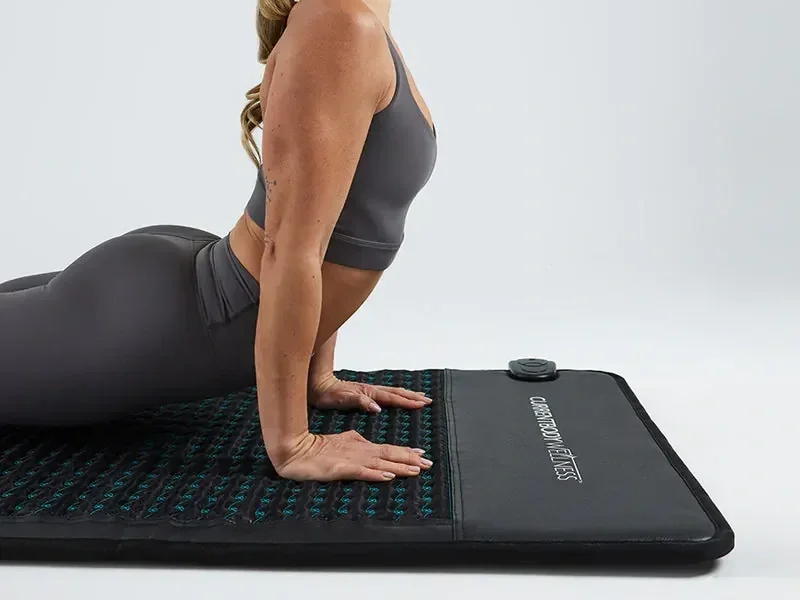
Build Confidence Through Change With One Brave Next Step
Big life changes can feel like the ground is moving; plans shift, emotions spike, and confidence can dip even on good days. The steadier path is a supportive mindset: empowerment through change, maintaining a positive outlook, and leaning on simple motivational strategies that keep hope and resilience within reach.
With time, those choices become long-term adaptation, less panic, more self-trust, and a calmer ability to meet each new season. Change doesn’t cancel your strength, it reveals it.
Choose one supportive action today: take a mindful breath, move your body gently, or protect your sleep like it matters. That one step helps build confidence in transitions and protects the well-being and connection that carry everything else forward.
Visit One Atomic Blonde and discover the ultimate source for health, wellness, and lifestyle inspiration today!